10 Times Prestige Car Brands Failed Badly
The automotive industry is littered with moments where things have become so turbulent that you sometimes wonder whether a carmaker will survive the ordeal or not. Between 2010 and 2025, too, some of the most revered and prestigious names in luxury automotive faced challenges; be it in America or globally. And many of the faltering came when the pressure to perform and innovate were at their highest.
For all of the brands in our list, the missteps cost them billions in fines, vehicle recalls, and lost sales. It underscores the high stakes in maintaining and upholding an image in the competitive luxury market.
Our list is ranked from the oldest to most recent missteps. Though there are many examples to choose from, we believe that these are indicative of how easily a prestige brand can get things wrong.
BMW’s Heated Seat Fire Hazard (2010-2014)
THe Hottest Seats In The Room
BMW is synonymous with luxury and engineering excellence, but the German automaker faced significant backlash between 2010 and 2014 when over 1 million vehicles were recalled for a dangerous defect in their heated seat systems. The affected vehicles included the 5 Series, 7 Series, X5, and X6. The reason for the recall was faulty wiring that could overheat, leading to potential fires and occupants sustaining minor burn wounds. Fortunately for BMW, no major injuries were reported.
The recall process spanned multiple years and markets, and it was a very slow and complex process to get everything sorted. In the USA, the National Highway Traffic Safety Administration (NHTSA) acted on consumer complaints, leading to recalls in 2011 and 2014. The affected models, produced from 2006 to 2012, also led to lawsuits, as owners believed BMW was downplaying the situation. By 2014, the issue was put to bed, but it exposed vulnerabilities in BMW’s push to be the best.
Maserati Ghibli Quality Woes (2013-2018)
Italian Stepping Up To Fall Down
When Maserati launched the Ghibli in 2013, the Italian automaker had its sights on the BMW 5 Series – the widely regarded leader of the executive saloon segment. Marketed as an Italian masterpiece, it fell short due to quality issues. The car’s overall execution damaged Maserati’s appeal as an exotic automaker, driven by complaints about cheap interior materials, creaky plastics and subpar leather that did more harm than good. Electrical issues were also running rampant, and more than 10,000 units were recalled for issues like fuel line leaks, accelerator pedal not releasing, and suspension failure – to mention a few.
Maserati introduced a raft of updates and improvements to the Ghibli in 2018, but the damage was already caused. The tarnished reputation led to a brand overhaul in 2020, but it served as a timely reminder for the auto industry at large that you cannot rush production in the luxury segment.
Bentley Bentayga Quality Issues (2016-2018)
Bentley Plays The SUV Game
Bentley flipped the script on its products in 2016 when it launched the Bentayga – its first SUV. Priced from a heady $200,000, it was squarely aimed at affluent buyers seeking that extra dose of exclusivity. However, as much as Bentley is praised for its handcrafted vehicles, early models nearly ruined the brand’s almost-blemish-free reputation. Electrical glitches, malfunctioning infotainment screens, and erratic climate controls were among the complaints, as well as poor fit-and-finish like dashboard rattles and misaligned panels.
Fortunately, Bentley did not take the issues lightly and began with recalls in earnest. By 2019, many of the issues had been resolved, and the SUV could carry forth Bentley’s reputation for being a reliable automaker. Still, this misstep almost cost Bentley its flawless image, forcing the British brand to invest heavily in its quality control.
Mercedes-Benz X-Class Failure (2017-2020)
The Pickup That Toyed With The Market
It might not be in good taste to say it straight, but the Mercedes-Benz X-Class was a laughable exercise on many fronts. Unveiled in Cape Town, South Africa, in 2017, Merc leaned over the table to its partners at Nissan to use the Navara platform as a basis for its own pickup. What was supposed to be a cost-saving move via the Renault-Nissan alliance, of which Daimler, Mercedes-Benz’s parent company, was part, ended up being an example of what not to do. The X-Class was a rebadged Navara with minimal upgrades. Consumers didn’t buy into the idea, especially because it demanded a $20,000 premium over the pickup truck it’s based on.
In 2018, Merc sold 16,700 units globally, dropping to 15,300 in 2019. By May 2020, production had ceased and plans to produce the X-Class in South Africa, where the C-Class is built for local (South African) and export markets, came to a crushing halt. The X-Class exposed Mercedes-Benz’s inability to produce a true luxury pickup, and is a prime example of badge engineering gone wrong.
Rolls-Royce Cullinan Backlash (2018-2020)
Yes, Rolls-Royce Also Dropped The Ball
Rolls-Royce is centered around being the epitome of automotive luxury. The Cullinan, named after the largest diamond ever found, arrived in 2018 and immediately faced backlash. The boxy design was mocked, and some critics believed that it diluted the brand’s sedan-centric exclusivity. Though the SUV was not an outright bad vehicle, its price (from $325k) made it difficult to justify against the Bentayga. Quality issues were a problem too, even if fewer than 1,000 units were affected. Still, this is not befitting a brand of Rolls-Royce’s stature, and it highlighted parent company BMW’s oversight in keeping the brand’s quality in check.
Fortunately, Rolls-Royce (and BMW) addressed the teething issues, but the Cullinan exposed the dangers and risks of chasing trends over tradition.
Audi e-tron Range Disappointment (2019-2021)
First EV Misses A Few Marks
Aiming to dethrone Tesla as the EV (electric vehicle) king, Audi launched its first electric SUV, the e-tron, in 2019. The SUV came with the promise of premium performance and cutting-edge technology – living up to the brand’s “Vorsprung durch Technik” mantra – but it fell almost flat on its face. Real-world driving was under 200 miles, far below the Tesla Model X’s 300+ miles. It wasn’t the success Audi hoped it would be and the Four Rings managed to sell only 47,000 units globally in 2020.
Though Audi worked on repairing both its reputation and the range of its e-tron products, it proved that rushing into the EV space is not ideal.
Lexus UX Recall Chaos (2019-2021)
Lexus Takes Reliability Hit
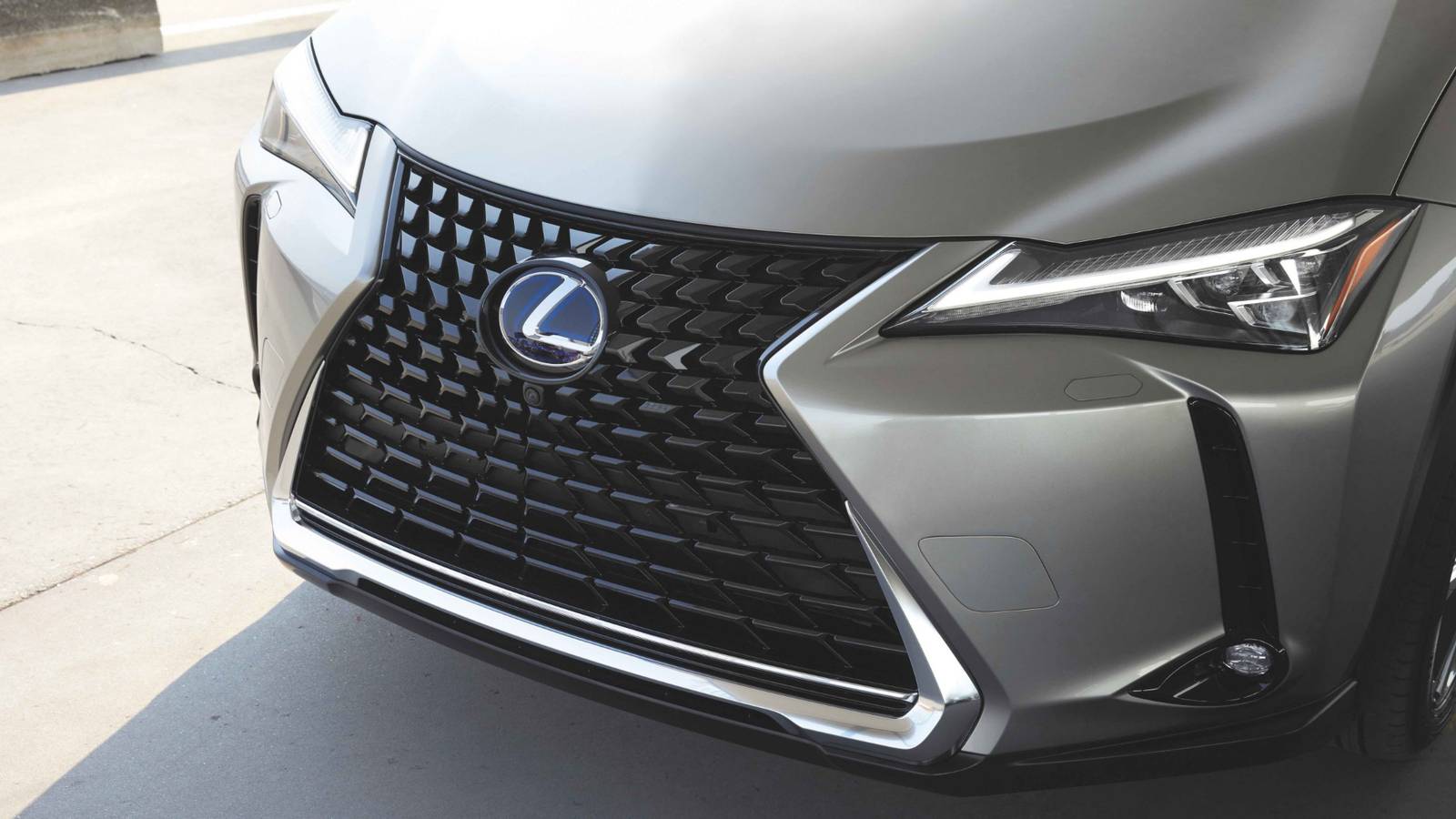
*2022 Lexus UX Hybrid pictured
Lexus is renowned for its bulletproof reliability, but it faced some tough challenges with its compact luxury crossover, the UX, between 2019 and 2021. The crossover launched in 2018 for competition in the premium SUV space, but it suffered from two major recalls that affected more than 700,000 vehicles globally. The first came in July 2019 for a faulty brake booster pump, and the second in November 2020 for defective low-pressure fuel pumps. Though we are all aware that issues and troubles are unavoidable, brands like Lexus are not synonymous with recalls and quality issues. Lexus did offer free inspections and replacements for the faulty parts, but the scale of the recalls dented customer loyalty and increased the pressure on dealerships.
Lexus and parent company Toyota confirmed that the issues stemmed from supplier errors, affecting over 1.5 million vehicles from both brands. Lexus managed to stabilize the drama in 2021, but it highlighted the importance of quality control. The luxury brand managed to restore its image as a reliable manufacturer, but it exposed vulnerabilities in supply chain management.
Mercedes-Benz Emissions Cheating (2019-2020)
That’s A Mighty Big Fine!
In 2019-2020, Mercedes-Benz was involved in a legal battle for deploying illegal software in diesel vehicles. Why? To cheat emissions tests. The German giant was slapped with a $1.5 billion fine after the scandal was uncovered by the EPA (Environmental Protection Agency) and California Air Resources Board (CARB). It was a big deal, because it followed a similar path Volkswagen took when it was found guilty of using “cheat devices” in 250,000 vehicles sold in the USA from 2009 to 2016.
In Merc’s case, the EPA and CARB found undisclosed auxiliary emission control devices that allow the vehicles to produce compliant results during testing. Vehicles were recalled for software updates and hardware replacements, with Daimler being forced to fix 85% of affected vehicles within a two-year period.
The settlement included:
- $875 million in civil penalties
- $70.3 million in other fines
- $110 million for California mitigation projects
Porsche Taycan Production Delays (2020-2022)
The Pandemic Impacts Porsche
|
Quick Facts: 2021 Porsche Taycan GTS |
|
|---|---|
|
Battery |
93.4 kWh |
|
Power |
590 hp (with overboost) |
|
Torque |
626 lb-ft |
|
0-60 mph |
3.7 Seconds |
|
Top Speed |
155 mph |
Porsche’s first EV, the Taycan, launched in 2019 with high expectations. But from 2020 to 2022, the car was plagued by production delays that were brought on by the Covid-19 pandemic and the subsequent global semiconductor shortage. Add the Russia-Ukraine war that halted critical wire harness supplies and you have a production nightmare. This is what happened at Porsche’s Stuttgart factory in March 2022, where nearly 2,000 Taycans’ production and delivery were delayed.
Porsche went into immediate action and realigned and streamlined its operations, with the overall production improving by late 2022. Though Porsche has recovered since, the early hiccups shook buyer confidence in Porsche for a brief moment.
Jaguar I-PACE Battery Fire Risk (2020-2023)
I-PACE Breaks Ground, And Nearly Confidence
The Jaguar I-PACE arrived in 2018 as the British automaker’s first EV, but the period between 2020 and 2023 saw it face stiff challenges in the form of its battery overheating, causing potential fires. In June 2023, the NHTSA recalled 6,461 I-PACE models (2019-2024 model years), followed by another recall targeted at 2,760 2019 models. The interim solution? Limiting battery charge to 75-80% via software updates, which, by default, shortened the driving range.
Consumers were not too pleased with how Jaguar handled the situation, with talk going around that Jaguar could not manage EV complexities sufficiently under Tata ownership. Thankfully, Jag managed to sort everything out by late 2023, but it had already suffered reputational damage by then.
Sources: Consumer Reports, NHTSA